
Across the bustling markets of Lagos, the tech hubs of Nairobi, and the vibrant streets of Accra, a quiet financial revolution is unfolding. Millions of Africans are turning to digital dollars to protect their hard-earned wealth from the silent erosion of inflation and the wild swings of local currencies. This transformation represents one of the most significant shifts in how people across the continent save, transact, and build economic resilience .
Stablecoins, digital currencies pegged to stable assets like the U.S. dollar, have emerged as a powerful tool in the fight against currency depreciation. Unlike the extreme volatility associated with cryptocurrencies like Bitcoin, stablecoins offer the best of both worlds: the speed and accessibility of digital assets combined with the stability of traditional fiat currencies. For millions of Africans watching their savings lose value overnight, these digital dollars have become nothing short of a financial lifeline .
The numbers tell a compelling story. Between July 2023 and June 2024, Nigeria alone processed approximately $22 billion in stablecoin transactions, representing the largest volume in Sub-Saharan Africa. Across the region, stablecoins now account for roughly 40-43% of total crypto transaction volume . This surge isn’t driven by speculative trading but by genuine economic necessity as households and businesses seek refuge from punishing inflation rates, currency devaluations, and restrictive foreign exchange controls .
Understanding the Currency Crisis Across the Continent
Nigeria’s Inflationary Pressures
Nigeria presents perhaps the most dramatic example of the currency challenges facing African economies. With inflation surpassing 30% in recent periods, the purchasing power of the naira has been systematically destroyed . The Central Bank of Nigeria’s currency reforms since 2023, including multiple devaluations and a shift toward a more market-driven foreign exchange regime, have only heightened short-term volatility for households and importers who price necessities in dollars .
For ordinary Nigerians, the impact is deeply personal. A freelancer earning in naira today might find their income worth significantly less tomorrow. Small business owners struggle to price imported goods when the exchange rate can shift dramatically within days. Families watching their savings erode are forced to seek alternatives, and increasingly, those alternatives are digital dollars .
Kenya’s Currency Volatility
Kenya’s picture is milder but follows the same troubling pattern. Inflation ticked up to 4.5% in August 2025, driven by rising food and transport costs, while the shilling’s swings have kept U.S. dollar demand high among traders . The shilling’s depreciation against major currencies has made stablecoins particularly attractive for Kenyans engaged in cross-border trade, freelancing, and remittances .
The integration of stablecoins with Kenya’s beloved M-Pesa mobile money system has been a game-changer. Services like Kotani Pay now allow users to receive stablecoins and cash out directly to M-Pesa, creating a seamless bridge between the digital dollar economy and everyday local transactions . This integration has made stablecoins feel familiar and practical rather than abstract and inaccessible.
Ghana, Zimbabwe, and Ethiopia
Ghana’s cedi has experienced sharp declines, pushing importers and traders to rely on stablecoins for supplier payments. The decline in the cedi’s value has made holding local currency a losing proposition for many businesses that need to purchase goods internationally. Stablecoins offer these traders a way to maintain purchasing power while navigating a challenging economic landscape .
Zimbabwe presents perhaps the most extreme case of currency instability. After experiencing devastating hyperinflation in the early 2000s and again in 2019, Zimbabweans have developed a deep distrust of local currency. Many families, professionals, and businesses already use digital U.S. dollars and mobile wallets as payment solutions, and some have incorporated USDT transactions into their financial ecosystems . This has primed the populace for stablecoin acceptance because people are already accustomed to digital transactions and alternative currencies .
In Ethiopia, strict foreign exchange controls have made international payments nearly impossible through traditional channels. Stablecoins serve as a digital workaround, allowing users to store value and receive international payments more efficiently. For Ethiopian freelancers and businesses, stablecoins have become an essential tool for participating in the global economy .
The Remittance Challenge
One of the most compelling drivers of stablecoin adoption is the exorbitant cost of sending money to Africa. According to the World Bank, remittances to Sub-Saharan Africa cost an average of 8.45% in Q3 2024, well above the UN’s 3% Sustainable Development Goals target and higher than the global average of 6% . For families sending $200-$500 at a time, these costs can be the difference between paying rent on time and falling behind.
Stablecoins offer a compelling alternative. Digital-first operators have brought fees closer to 4%, and with a stablecoin hop and a reliable cash-out option, the savings grow even sharper . This is particularly significant on the $200-$1,000 transfers that sustain families and small businesses across the continent.
At the World Economic Forum in Davos, former United Nations Under-Secretary-General Vera Songwe highlighted how stablecoins are cutting remittance costs and speeding settlement times. She noted that traditional cross-border transfers cost about $6 for every $100 sent, while digital currencies offer a cheaper, faster alternative . In her words, “With a smartphone, you have access to stablecoins, so you can save in a currency that is not exposed to fluctuations of inflation and making you poor” .
How Stablecoins Work on the Ground
On-Ramps and Off-Ramps
In Kenya and Nigeria, most people acquire USDT or USDC through a mix of regulated fintechs and peer-to-peer marketplaces, then convert to local currency via banks or mobile money. Yellow Card, active in about twenty African countries, runs most of its transfers in USDT. Its Yellow Pay service connects users across borders and supports local cash-outs, including mobile money. Today, stablecoins make up 99% of Yellow Card’s business .
Mobile Money Bridges
In East Africa, the backbone is M-Pesa and other mobile wallets. Kotani Pay provides conversion services that let partners settle in stablecoins and pay directly into M-Pesa. Mercy Corps’ Kenya pilot used Kotani to test USDC-to-M-Pesa savings. The flow is straightforward: receive in USDC, convert to shillings, and spend through the same wallet people already use .
Fintech Scale-Ups
Some companies keep the crypto layer invisible. Chipper Cash, for example, uses USDC behind the scenes to move dollars instantly across its network and has started using Ripple’s technology to bring funds into nine African markets. For customers, it feels like a faster, cheaper version of a familiar wallet .
Everyday Use Cases
The practical applications of stablecoins are diverse and growing rapidly:
A. Savings: Converting small balances into digital dollars to protect against inflation, allowing individuals to preserve purchasing power even as local currencies decline .
B. Payroll and Gigs: Freelancers and creators often get paid in USDC, converting only what they need into local currency. This provides protection against currency depreciation and ensures they receive the full value of their earnings .
C. Trade and Inventory: Small and medium-sized enterprises settle invoices and pay suppliers in stablecoins. Yellow Card cites business payments among its fastest-growing segments, reflecting how stablecoins are becoming essential for commercial operations .
D. Remittances: Stablecoin transfers with local cash-out options often beat traditional remittance services, especially on $200-$1,000 transfers. This makes them particularly valuable for families relying on money from abroad .
E. Import and Export: Traders use stablecoins to manage cross-border transactions, paying suppliers and receiving payments without worrying about exchange rate fluctuations or banking delays .
The Dominance of USDT, USDC, and DAI
USDT’s Market Leadership
USDT (Tether) currently leads adoption on the continent due to its deep liquidity and low transaction costs, particularly on the Tron network. The combination of widespread acceptance and inexpensive transfers has made USDT the go-to stablecoin for many Africans. Tron has emerged as a preferred network for moving USDT because people follow whatever option is cheapest and most reliable .
USDC’s Growing Presence
USDC (USD Coin) continues to gain traction among businesses, NGOs, and professionals seeking stronger transparency and regulatory clarity. The USDC de-peg in March 2023 showed how quickly confidence shocks can spread, but the coin has largely retained its dollar peg, even during banking crises . This resilience has given users more confidence in USDC as a reliable store of value .
DAI and Decentralized Options
DAI and other yield-bearing stablecoins are attracting more advanced users seeking dollar-based returns that outperform local fixed-income options. DAI’s decentralized nature appeals to those who value the transparency and autonomy of blockchain-based governance. For users who want to earn on their dollar holdings, these options provide opportunities not available through traditional banking channels .
The Risk Landscape
Operational Risks
On the ground, everyday risks include P2P scams, wallet theft, bridge failures, and difficulties cashing out. The decentralized nature of many stablecoin transactions means that users bear responsibility for their own security, a significant burden for those unfamiliar with digital asset management .
Regulatory actions can make matters worse. Nigeria’s crackdown in 2024-2025 froze accounts and stranded balances overnight, illustrating how suddenly access can disappear. For users who rely on stablecoins for their daily financial needs, such disruptions can be devastating .
Peg and Counterparty Risks
Stablecoins are only as reliable as the reserves and governance behind them. The Bank for International Settlements and the International Monetary Fund have warned that rapid growth could trigger financial-stability issues, from forced sales of reserve assets to “dollarization” that undermines local monetary control .
The USDC de-peg in March 2023 demonstrated how quickly confidence shocks can spread. Independent reviews have also flagged transparency gaps and issuer concentration as ongoing concerns. Users must be aware that even the largest stablecoins face risks that could affect their value .
Regulatory and Policy Risks
At a systemic level, heavy reliance on dollar-linked stablecoins can accelerate informal dollarization and shift payments outside regulated banking channels. In response, policymakers are pushing for tighter licensing, stricter reserve standards, and more disclosure from issuers .
The regulatory landscape across Africa is complex and rapidly evolving:
A. Nigeria: The Central Bank of Nigeria lifted its banking ban in December 2023, allowing banks to open accounts for virtual-asset service providers. However, 2024 brought a crackdown on naira P2P venues and Binance, with detentions and halting of naira pairs. Nigeria’s SEC updated its crypto framework in January 2025, and the new Investment and Securities Act clarified registration duties for digital-asset firms. More licensing, disclosure, and marketing scrutiny are expected .
B. Kenya: The Finance Act 2023 introduced a 3% Digital Asset Tax, but the Finance Act 2025 repealed this and replaced it with a 10% excise duty on fees charged by virtual-asset providers. Users and operators now need to track excise, VAT/DST, and reporting obligations .
C. Ghana: In December 2025, Ghana legalized cryptocurrency trading by passing a Virtual Asset Service Providers bill, creating a formal regulatory framework for the industry. Bank of Ghana Governor Johnson Asiama framed this as enabling crypto activity while providing tools to manage risks .
D. South Africa: The central bank has warned that crypto assets and stablecoins represent emerging financial stability risks as local adoption continues to rise .
The Dollarization Debate
Monetary Sovereignty Concerns
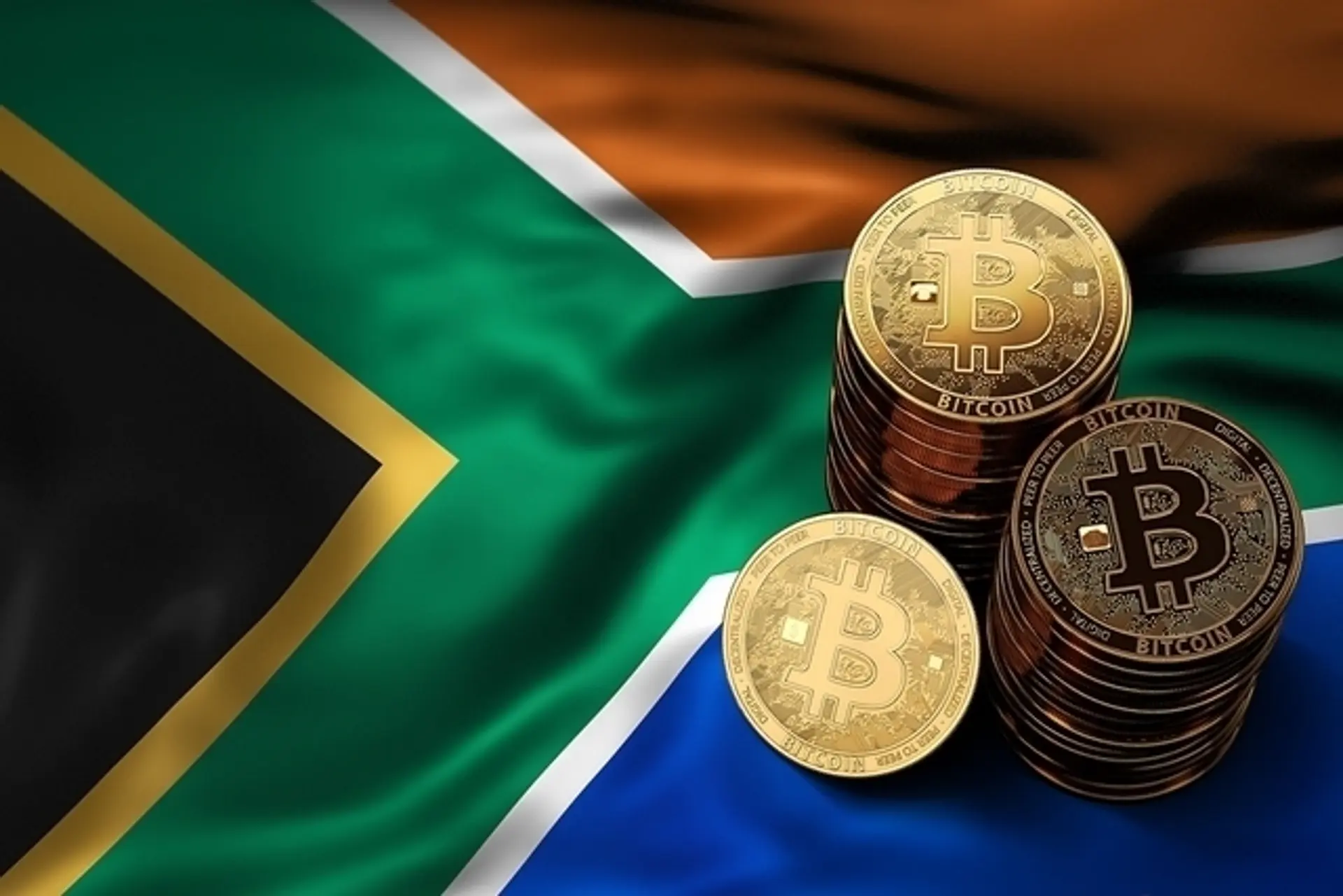
The rapid adoption of dollar-backed stablecoins has raised significant concerns about monetary sovereignty across Africa. South African central bank Governor Lesetja Kganyago warns that stablecoins, particularly dollar stablecoins, may be used to undermine African currencies. He notes, “The creation of stablecoins, especially the dollar stablecoins, is being used to undermine African currencies. People are using those to short the currencies and we see the rise in the use of stablecoins on the African continent in countries that are experiencing a shortage of foreign exchange” .
Kganyago argues that affected countries must reform their domestic currency markets rather than simply ban stablecoins. This suggests a recognition that stablecoins are addressing genuine economic needs that traditional monetary systems have failed to meet .
The Seigniorage Challenge
Governments earn profit from issuing currency through seigniorage—the difference between the cost of producing currency and its face value. The IMF estimates that seigniorage revenues average about 1.0 to 1.5% of GDP annually in Africa. The spread of stablecoins is likely to shrink this revenue stream, with the main fiscal beneficiary being the United States, as stablecoins backed by Treasury bills drive demand for U.S. government debt .
This represents a transfer of monetary authority from African central banks to private issuers and U.S. regulators. While stablecoins may provide individual benefits, they could weaken public finances across the continent .
African Stablecoin Alternatives
Recognizing these challenges, some African nations are exploring local stablecoin solutions. Nigeria’s cNGN (Crypto Naira) launched in 2024 aims to combine blockchain-based systems with regulated fintech. South Africa’s ZARP, pegged at a ratio of 1:1 to the Rand, is designed to provide DeFi access while still using local currency .
However, these local initiatives face significant headwinds. Global market share of non-USD stablecoins has fallen to just 0.24%, even as their supply has jumped 195% in the last five years. In a region where inflation persistently devalues local currencies, a stable version of a weak currency is often an asset nobody wants. Qualitative sentiment suggests up to 95% of active digital asset users would prefer to be paid in digital dollars (USDT or USDC) rather than their own depreciating fiat .
The Regulatory Path Forward
Designing Effective Frameworks
At the 2026 3i Africa Summit, a closed-door roundtable brought together regulators and industry operators to address the regulatory challenges facing stablecoins. The discussion revealed that Africa’s stablecoin market has scaled faster than regulatory frameworks, with operators settling cross-border trade through channels that predate formal frameworks .
Key principles that emerged from the discussion include:
A. Regulate the Activity, Not the Technology: A stablecoin used for payment should be regulated as a payment instrument, not as a crypto asset. If an institution is already licensed and supervised for payments activity, requiring a separate virtual asset license for using a digital payment rail is disproportionate .
B. Build Passporting from the Beginning: Virtual assets are borderless by design, but regulation is national by default. Africa has a time-limited opportunity to build cross-border regulatory frameworks from the ground up. The Ghana-Rwanda passporting framework provides a working model for mutual recognition .
C. Maintain a Genuine Open Door: Operators need not perfect legislation but a credible dialogue process—a regulator willing to hear about new use cases before deployment and respond at the speed the market demands .
D. Address Literacy Gaps at Every Level: This includes regulators who must supervise technology they did not train for, operators navigating shifting compliance environments, and consumers making high-stakes financial decisions with little protection .
Balancing Benefits and Risks
The challenge facing African regulators is how to preserve the utility of stablecoins while managing their risks. Stablecoins provide clear benefits in terms of financial inclusion, reduced remittance costs, and economic resilience. However, they also threaten monetary sovereignty, fiscal revenues, and financial stability .
Policy responses under consideration include:
A. Stricter Regulatory Frameworks: Mandatory exchange registration, tax reporting for cryptocurrency transactions, and targeted capital flow measures .
B. Central Bank Digital Currencies: Offering CBDCs as safer, regulated digital alternatives to local currency. These would have the same credibility status as fiat but in digital form .
C. Local Currency Stablecoins: Backed by commodities or baskets of commodities from Africa’s wealth of natural resources, such as precious stones, gold, diamonds, crude oil, and cobalt .
D. Fiscal Reforms: Containing fiscal deficits, managing current account balances, and closely monitoring foreign exchange, bank, and corporate sector balances .
The Future Outlook
A Structural Shift in African Finance
Analysts note that stablecoin adoption in Africa is not driven by speculation but by necessity. Weak financial infrastructure, slow settlement times, capital controls, and limited access to physical U.S. dollars have positioned stablecoins as a practical tool when formal systems fail .
For millions of Africans, stablecoins are not a trend but a lifeline. They protect school fees, rent money, business capital, and hard-earned wages from silent destruction. In a world where your currency can lose value overnight, stablecoins offer something rare and powerful: a chance to wake up tomorrow with your money still intact .
What to Watch Next
Several developments will shape the future of stablecoins in Africa:
A. Regulatory Evolution: Whether Ghana’s VASP framework is complemented by further guidance on consumer protections and AML/CFT standards. How Nigeria enforces tax-ID linked transactions and implements identity verification. South Africa’s ongoing assessments of crypto’s impact on financial stability .
B. Public-Private Collaboration: Whether public-private collaborations emerge to promote financial inclusion using stablecoins or crypto rails. How central banks and blockchain startups work together to form new branches of the local economy .
C. Adoption Metrics: How much of on-chain value is driven by remittances versus investment or trading flows. The growth of stablecoin usage for SME payments and cross-border trade. The extent to which stablecoins become integrated with mobile money systems .
D. Innovation in African Stablecoins: The development of regional stablecoins supported by the African Continental Free Trade Area and its Digital Trade Protocol. The potential for commodity-backed stablecoins that reduce reliance on the U.S. dollar .
Conclusion
Stablecoins have emerged as a powerful tool for protecting African wealth from currency risks, inflation, and the limitations of traditional financial systems. From the bustling markets of Lagos to the tech hubs of Nairobi, millions of Africans are using digital dollars to preserve value, facilitate trade, and participate in the global economy .
The adoption of stablecoins represents not speculation but practical adaptation to economic challenges. As former UN official Vera Songwe noted, with a smartphone, you can save in a currency not exposed to inflation, providing financial resilience even where formal services remain out of reach .
However, the rise of stablecoins also presents significant challenges. The risk of dollarization, the loss of monetary sovereignty, and the potential for capital flight require thoughtful regulatory responses. African nations must balance the benefits of stablecoins against these risks, developing frameworks that preserve utility while protecting public finances and monetary policy .
The path forward likely involves a hybrid approach: coexistence of government CBDCs, private stablecoins, tokenized funds, and deposit tokens, all operating on interoperable blockchain rails . Technologies that allow stablecoins and tokenized assets to move fluidly across blockchains will enable even African SMEs to switch between digital currencies without intermediaries .
As one Lagos-based fintech founder put it, “The speed of money has changed. What matters now isn’t who issues the digital token but whether it’s safe, liquid, and reliable. And stablecoins are setting that standard” . For millions of Africans seeking financial stability in an uncertain world, that standard represents nothing less than economic survival.