
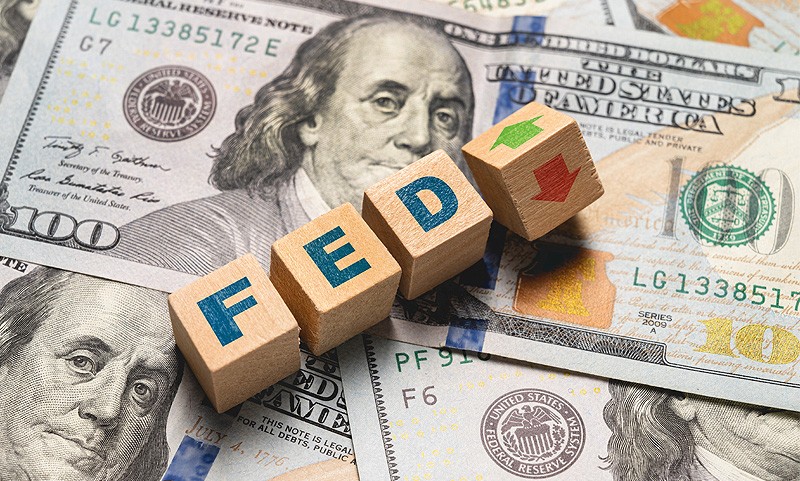
The financial markets collectively held their breath, and then exhaled a measured sigh of cautious relief. As anticipated by a significant majority of economists and traders, the Federal Reserve concluded its latest policy meeting by maintaining the benchmark federal funds rate at its current target range. This decision to hold, however, belies a deep and complex internal debate simmering within the halls of the Eccles Building. While the immediate threat of a banking crisis has receded from the front pages, the specter of inflation remains an unwelcome guest at the table, refusing to leave quietly. The narrative is no longer simply about “how high” rates will go, but rather “how long” they must remain at these elevated levels to cool an economy that continues to show surprising resilience.
The language of the Federal Open Market Committee (FOMC) statement underwent subtle but significant tweaks, reflecting a shift in posture from aggressive tightening to a more patient, data-dependent watchfulness. The central bank now acknowledges that risks to achieving its employment and inflation goals are moving into better balance. However, this is not a victory lap. It is a recognition that the path forward is foggy, and the margin for error is razor-thin. Inflation, while down significantly from its 40-year peaks, is proving stickier than hoped in key sectors, particularly housing and services. The Fed’s preferred inflation gauge, the Personal Consumption Expenditures (PCE) price index, continues to run above the 2% annual target, forcing policymakers to keep the brakes firmly applied to the economic engine.
This decision to hold rates steady at a range of 5.25% to 5.5% marks a pivotal moment in the monetary policy cycle. For the better part of two years, the Fed was locked in a historic sprint to catch up with surging prices, executing one of the most rapid series of rate hikes in its history. Now, the race has shifted to a marathon. The question dominating every press conference, analyst call, and trading floor is no longer about the peak rate, but about the duration of the plateau. How long can the Fed keep rates elevated before the cumulative weight of these higher borrowing costs begins to crack the foundation of the labor market or the consumer spending that has propped up the economy?
The Nuances of the “Hold” Decision
To understand the rationale behind the hold, one must look at the dual mandate given to the Federal Reserve by Congress: maximum employment and stable prices. Currently, the employment side of the mandate is flashing green. The labor market remains historically tight, with unemployment hovering near record lows and wage growth, while moderating, still at levels that historically would be considered inflationary. However, this strength provides the Fed with the political and economic cover to maintain a restrictive policy. If unemployment were skyrocketing, the pressure to cut rates would be immense and immediate. Since that is not the case, the Fed has the luxury—and the burden—of focusing almost entirely on extinguishing the remaining embers of inflation.
Conversely, the price stability side of the mandate remains a work in progress. The initial surge in inflation was largely attributed to supply chain bottlenecks, energy shocks following geopolitical events, and a massive rotation of consumer demand from services to goods during the pandemic. These “supply-side” issues have largely resolved. Shipping costs have normalized, and global supply chains are functioning relatively smoothly. However, the second wave of inflation is proving to be more deeply entrenched, driven by “demand-side” factors.
Key factors contributing to persistent inflation include:

A. Shelter Costs: Housing and rental prices account for a significant weighting in the Consumer Price Index (CPI). While real-time private sector data suggests that new lease rents are cooling, the official government data lags significantly. This lag means that shelter inflation will continue to contribute to elevated headline numbers for several more months, even if the actual market has already peaked. This creates a visibility problem for the Fed, as they are essentially looking in the rearview mirror when it comes to housing data.
B. Wage Growth in Service Sectors: The labor-intensive service sector, which includes everything from healthcare to hospitality, is seeing robust wage gains. As labor costs rise, businesses in these sectors often pass those costs onto consumers. This creates a wage-price spiral that is notoriously difficult to break without a significant cooling in labor demand. The Fed is hoping that a slowdown in hiring—without a spike in layoffs—will gradually reduce wage pressures to a level consistent with the 2% inflation target.
C. Core Goods Excluding Volatile Sectors: While the price of used cars and other volatile goods has dropped, prices for core goods excluding food and energy have remained stubbornly high. There is concern that some companies have used the cover of high inflation to permanently increase profit margins, a phenomenon economists refer to as “greedflation” or seller’s inflation. Whether this is sustainable depends on consumer willingness to continue paying higher prices.
The Market Reaction and the Bond Market’s Voice
The initial reaction in the financial markets was one of relief that the decision wasn’t a surprise hike, which would have sent shockwaves through the system. Equities rallied modestly, while the dollar index experienced a slight pullback. However, the real story was unfolding in the bond market, which has often been a more reliable barometer of economic sentiment than the stock market.
The yield on the benchmark 10-year Treasury note remained elevated, hovering near multi-year highs. This is a critical signal. Historically, when the Fed is holding rates steady but long-term yields are rising, it suggests that the bond market believes the Fed will need to maintain its restrictive stance for a longer period than previously anticipated. This is often driven by fears of higher neutral rates—the theoretical interest rate that neither stimulates nor restricts the economy. If the neutral rate has permanently shifted higher due to factors like massive fiscal deficits or changing investment dynamics, then the current interest rate environment might not be as restrictive as the Fed believes, requiring them to hold steady for even longer.
Furthermore, the Fed has been actively unwinding its balance sheet, a process known as quantitative tightening (QT). This involves allowing Treasury bonds and mortgage-backed securities to mature without reinvesting the proceeds. This process drains liquidity from the financial system. However, there is now growing speculation that the Fed may need to slow the pace of QT sooner than expected to avoid a repeat of the 2019 repo market turmoil, where a lack of liquidity caused short-term borrowing rates to spike. The delicate balancing act of managing interest rates while simultaneously managing the balance sheet adds another layer of complexity to the current policy outlook.
Why Not Cut Rates? The Case for Patience
For those outside the financial sector, the instinct to cut rates might seem logical. High borrowing costs make mortgages, auto loans, and credit card debt more expensive, squeezing the average American family. Why would the Fed not want to provide relief?
The answer lies in the danger of premature easing. History provides a stark warning: in the 1970s, the Federal Reserve, under Chairman Arthur Burns, prematurely eased monetary policy in response to political pressure and economic slowdowns, only to see inflation come roaring back even stronger. It took the brutal recession of the early 1980s under Chairman Paul Volcker, with interest rates spiking to nearly 20%, to finally break the back of inflation.
Current Fed Chair Jerome Powell has repeatedly referenced this historical lesson. He understands that the reputational capital of the central bank is on the line. If the Fed cuts rates too soon and inflation re-accelerates, they will have to reverse course and hike rates again, which would be devastating for market confidence and potentially force a much harsher economic downturn than what is currently projected. A “stop-start” policy is considered the worst-case scenario for monetary policy.
Therefore, the Fed needs to see “compelling evidence” that inflation is on a sustainable downward path to 2%. This doesn’t mean one or two good inflation readings; it means a sustained trend over several months. The Fed is willing to tolerate a slightly weaker economy and a slight rise in unemployment to guarantee that inflation is defeated. This is a tough pill to swallow, but in the central bank’s calculus, the pain of defeating inflation now is less than the pain of dealing with entrenched stagflation (stagnant growth plus high inflation) later.
The Impact on Main Street and the Consumer
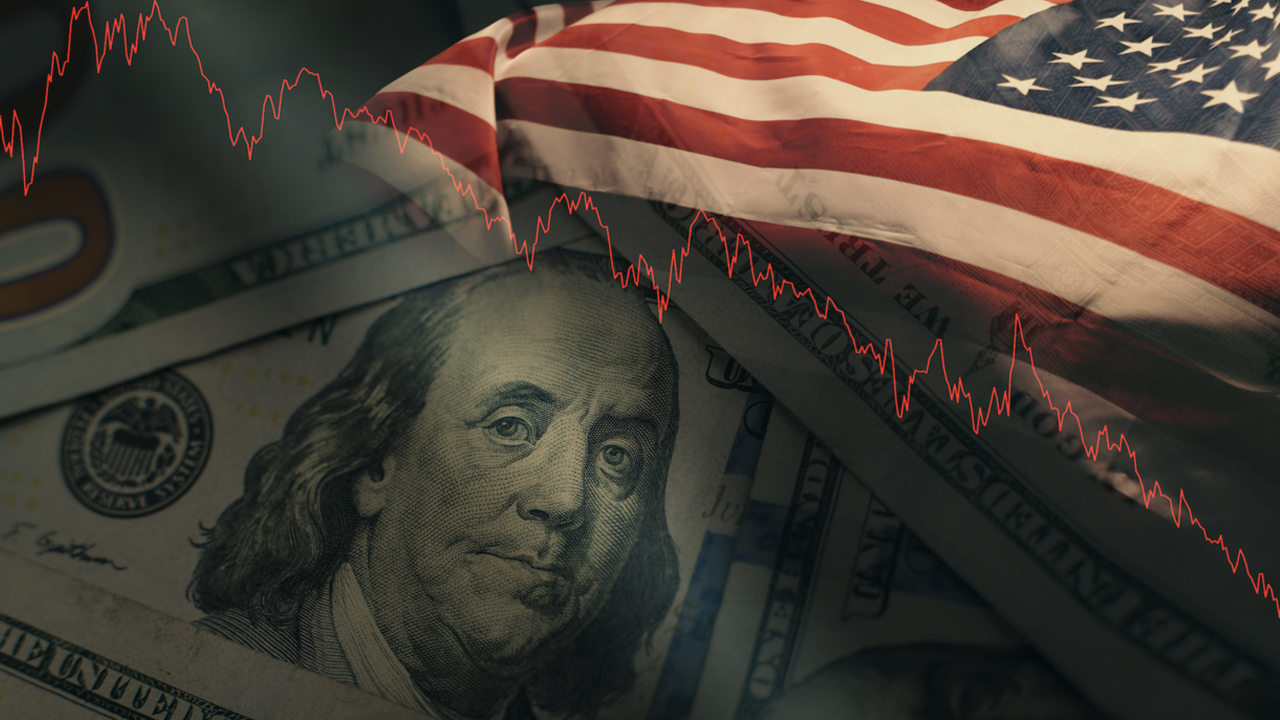
While the Fed’s decisions are made in Washington, their impact is felt on Main Street. For prospective homebuyers, the hold on rates means mortgage rates, which are loosely tied to the 10-year Treasury yield, are likely to remain elevated. This continues to lock in current homeowners with low-rate mortgages (the “golden handcuff” effect), reducing housing inventory and keeping home prices artificially high. For renters, the hope is that the easing in new lease data will eventually translate into softer rent increases, but that relief may still be months away.
For businesses, particularly small and medium-sized enterprises (SMEs), the high-interest environment presents a challenging landscape. The cost of capital is high. Financing for expansion or inventory purchases is expensive. This often forces businesses to delay hiring or investment, which can slow economic growth but also reduces the pressure on wages. However, for businesses with strong cash flows, this environment is actually positive because it reduces the number of competitors who rely on cheap debt to undercut pricing.
For consumers carrying variable-rate debt, such as credit cards or adjustable-rate mortgages, the hold is a mixed bag. While they are not facing an immediate increase in their interest payments, they are not seeing any relief either. The average credit card interest rate is now well over 20%, making it exceedingly expensive to carry balances. This has likely contributed to a slight uptick in credit card delinquencies, particularly among lower-income cohorts who have exhausted the savings cushions built up during the pandemic.
Geopolitical Risks and Global Spillovers
The Federal Reserve does not operate in a vacuum. Geopolitical tensions present a significant wild card for the inflation outlook. Conflicts in the Middle East and Eastern Europe pose risks to energy and food supply chains. An escalation of these conflicts could lead to a sudden spike in oil prices, which would immediately feed into headline inflation and reverse some of the progress made over the last year. This is known as a “supply shock.”
The Fed has indicated that it monitors these developments closely but does not react to “headline” events unless they start to affect the underlying economic fundamentals. A temporary oil price spike caused by geopolitics might be looked through by the Fed if it is expected to be short-lived. However, if the conflict escalates to a point where it disrupts global trade routes or causes a sustained surge in energy prices, the Fed would be forced to reevaluate its stance.
There is also the issue of divergence in global monetary policy. The European Central Bank (ECB) and the Bank of England are also fighting inflation, though their economic conditions are different. A weaker Euro or Pound compared to the Dollar can increase the cost of imports for those countries, adding to their inflation. For the US, a strong dollar actually helps contain inflation by making imports cheaper. However, the Fed is cognizant of the international implications of its policy. An overly aggressive stance that strengthens the dollar too much could hurt emerging markets that hold dollar-denominated debt, potentially triggering a global financial crisis.
The Path Forward: Scenarios for 2024 and Beyond
Looking ahead, economists and analysts generally agree that the Fed is in a “pause” or “wait-and-see” mode. However, the narrative is split into a few distinct scenarios, each with profound implications for markets and the economy.
Scenario 1: The “Soft Landing” (Goldilocks Outcome):
In this scenario, inflation continues to gradually decline towards the 2% target, while the labor market cools slightly but avoids a sharp downturn. Economic growth slows but does not contract. Under this scenario, the Fed would likely hold rates steady for the remainder of the year and potentially begin cutting rates in late 2024 or early 2025. This is the ideal outcome and the one the Fed is actively trying to engineer. It requires a delicate balancing act and a bit of luck regarding supply-side improvements.
Scenario 2: The “No Landing” (Re-acceleration):
This scenario suggests that the economy is simply too strong. Consumers continue spending, businesses keep hiring, and wage growth stays robust. In this case, inflation might stop declining and even tick higher. If this happens, the Fed would be forced to abandon its hold and deliver rate hikes once again. This would be shocking for the markets, which have largely priced out the possibility of additional hikes. It would likely trigger a sharp sell-off in bonds and equities.
Scenario 3: The “Hard Landing” (Recession):
This is the “pessimistic” scenario. It suggests that the cumulative weight of the interest rate hikes is larger than anticipated and will suddenly break the economic engine. A sharp rise in unemployment and a contraction in GDP would occur. In this case, the Fed would pivot quickly from holding rates to slashing them in an emergency measure to stabilize the economy. The challenge here is that if a recession hits while inflation is still above target (stagflation), the Fed would be stuck between a rock and a hard place—unable to cut rates due to inflation, and unable to hold due to recession.
Technical Adjustments and the Discount Rate
While the federal funds rate is the headline-grabbing figure, the Fed made other technical adjustments that are noteworthy. The discount rate, which is the rate at which banks borrow directly from the Fed’s discount window, was also held steady. This is significant because the discount rate acts as a backstop for the banking system. In times of stress, banks rely on the discount window for liquidity.
There was some speculation that the Fed might tweak the interest on reserve balances (IORB) to manage the effective federal funds rate, which sometimes drifts slightly above the target range. By keeping these tools stable, the Fed signaled confidence that the current level of monetary policy is appropriately restrictive. It also signaled that the banking system, while facing headwinds from commercial real estate (CRE) exposure, is generally healthy and not currently a source of systemic risk that would warrant an emergency rate cut.
The Consumer’s Strategy in a High-Rate Environment
Given the current landscape, the average consumer must adapt. The era of “zero interest rate policy” (ZIRP) is over, and it is unlikely to return in the near future. Here are strategies for individuals navigating this environment:
A. Re-evaluate Debt: High-interest debt should be prioritized. Consumers should look at balance transfer cards or consider consolidating debt into a fixed-rate personal loan, which might offer lower rates than credit cards.
B. Maximize Savings: This is a great time to be a saver. High-yield savings accounts and certificates of deposit (CDs) are offering rates not seen in decades. Consumers should shop around and ensure their cash is earning a competitive yield.
C. Delay Big-Ticket Purchases: For non-essential items like cars or new appliances, delaying purchases can be beneficial. If the economy does slow, there may be better deals and lower financing options available down the line.
D. Invest Wisely: The bond market is now offering viable income. For investors, bonds are a serious competitor to equities. Diversification and a focus on quality are essential in this volatile market.
Conclusion: The Wait Continues

The Federal Reserve’s decision to hold rates steady is a testament to the uncertainty of the current economic landscape. It is a pause, not a pivot. The central bank has signaled that it needs to see sustained progress on inflation before it is comfortable easing policy. While the economy has proven resilient, the risks are asymmetrical; the Fed fears doing too little to fight inflation more than it fears doing too much.
The next major data points particularly the monthly Consumer Price Index and Personal Consumption Expenditures reports, as well as the employment figures will be scrutinized with surgical precision. Every decimal point of change will be dissected by economists seeking clues about the future path of policy.
For now, the burden remains on the data. The Fed has drawn its line in the sand. It will not cut rates until inflation is decisively beaten. This means consumers, businesses, and investors must brace for a prolonged period of high borrowing costs. The “higher-for-longer” narrative is no longer just a possibility; it is the current reality. As we move through the rest of the year, the interplay between the labor market, consumer spending, and price data will determine whether the Fed’s wait-and-see approach leads to a soft landing or an economic stall. One thing is certain: the era of cheap money is behind us, and the future will be dictated by the resilience of the American consumer and the patience of the Fed. The clock is ticking, but the Fed is not rushing.