

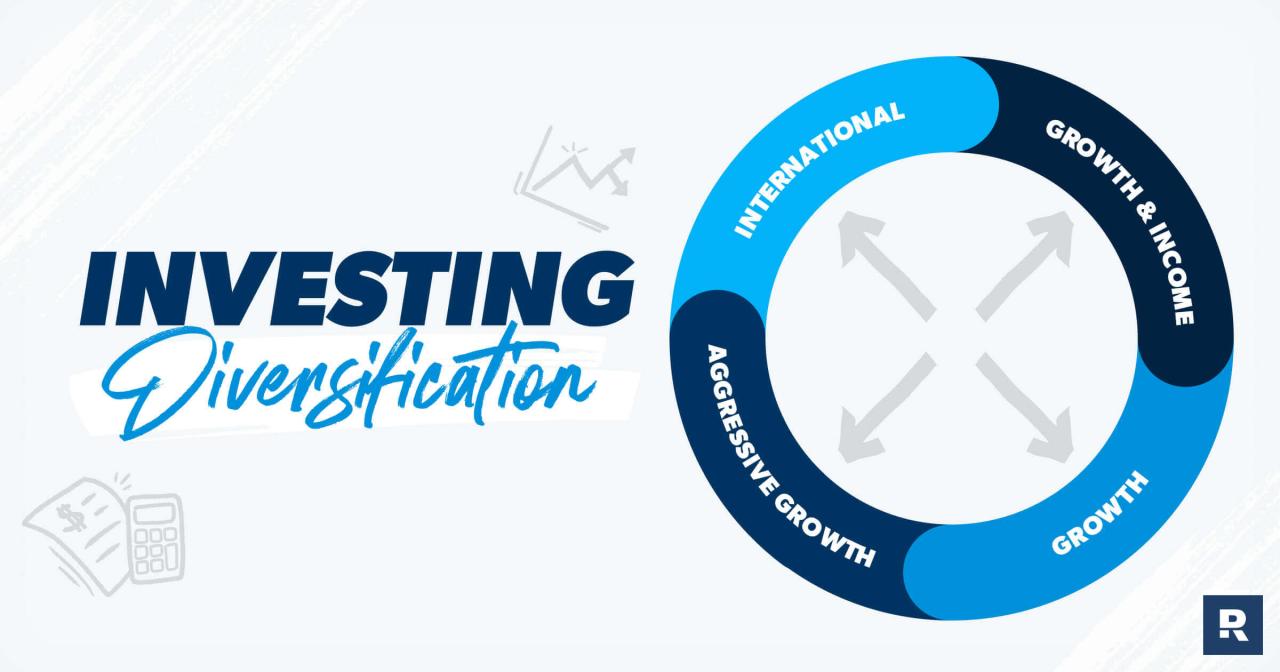
For decades, the golden rule of investing has been simple: diversify. Financial advisors, fund managers, and wealth planners have consistently preached the gospel of spreading risk across different asset classes, geographies, and sectors. The logic was unassailable don’t put all your eggs in one basket. However, the investment landscape of the past few years has fundamentally challenged this long-held belief. From unprecedented global disruptions to the rise of digital assets and shifting monetary policies, traditional diversification is no longer delivering the safety or returns it once promised. Investors are now urgently rethinking their diversification strategies, questioning whether the old models are obsolete and what new frameworks should replace them.
The Changing Dynamics of Market Correlations
One of the most significant drivers behind this reassessment is the breakdown of historical correlations. In the past, when stocks went down, bonds typically went up. This negative correlation provided a natural hedge, ensuring that a portfolio’s value remained relatively stable during market downturns. Yet, in recent years, this relationship has become increasingly unreliable. During the inflationary spike of 2022, both stocks and bonds fell simultaneously, leaving traditional 60/40 portfolios (60% stocks, 40% bonds) with nowhere to hide. This synchronous decline shocked many investors and forced them to confront a harsh reality: the foundational principles of diversification might not hold in a world defined by central bank interventions, supply chain shocks, and geopolitical tensions.
Furthermore, correlations between international markets have also increased. In an era of globalized trade and interconnected financial systems, a crisis in one region often spreads rapidly to others. The European debt crisis, the COVID-19 pandemic, and the energy shocks following geopolitical conflicts have all demonstrated that geographic diversification is not the safeguard it used to be. Investors are realizing that simply buying foreign stocks does not provide immunity from global systemic risks. Consequently, they are seeking alternative approaches that go beyond the conventional asset allocation models.
The Illusion of Safety in Traditional Asset Classes
Another reason for this paradigm shift is the growing skepticism toward traditional safe-haven assets. Government bonds, once considered the ultimate risk-free investment, now face headwinds from rising interest rates and inflationary pressures. The yields on long-term bonds have become more volatile, and their purchasing power is eroded by persistent inflation. Similarly, cash holdings, while safe in nominal terms, incur significant opportunity costs and lose value in real terms over time. Investors are beginning to question whether these conventional assets deserve their status as pillars of a diversified portfolio.
Real estate, another favorite among diversification enthusiasts, has also shown signs of vulnerability. Remote work trends, changing commercial real estate dynamics, and rising mortgage rates have cooled what was once a consistently appreciating asset class. The COVID-19 pandemic accelerated these shifts, exposing the fragility of certain property segments like office spaces and retail outlets. As a result, investors are diversifying away from traditional real estate into more liquid and resilient alternatives.
The Rise of Alternative Investments
In response to these challenges, a growing number of investors are turning to alternative assets to fill the diversification gap. Private equity, venture capital, hedge funds, and commodities have gained traction as viable options for those seeking uncorrelated returns. These alternatives often operate independently of public market fluctuations, providing a buffer during periods of volatility. However, they come with their own set of challenges, including higher fees, lower liquidity, and increased complexity. Institutional investors have long embraced these assets, but retail investors are now beginning to follow suit, thanks to new platforms that democratize access to private markets.
Cryptocurrencies and digital assets have also emerged as a new frontier in diversification debates. Despite their notorious volatility, proponents argue that assets like Bitcoin and Ethereum offer unique properties such as decentralization and limited supply that make them effective hedges against fiat currency depreciation. However, their correlation with risk-on assets like technology stocks has raised questions about their true diversification benefits. During market sell-offs, cryptocurrencies have often moved in tandem with equities, undermining their purported status as “digital gold.” This has led to a more nuanced conversation about how, and if, digital assets should be integrated into traditional portfolios.
The Impact of Inflation and Interest Rate Policies
Inflation and interest rate policies are playing a pivotal role in reshaping diversification strategies. The era of zero-interest-rate policies (ZIRP) encouraged investors to take on more risk in search of yield, compressing risk premiums across asset classes. As central banks pivot to tightening monetary conditions, the environment has become more hostile to traditional risk-on strategies. Investors are now paying closer attention to real yields nominal yields adjusted for inflation and adjusting their allocations accordingly. This shift has led to a renewed focus on inflation-protected securities, floating-rate bonds, and real assets like gold and commodities.
Moreover, the timing of interest rate changes has become a critical factor. Unlike previous cycles, where adjustments were gradual and predictable, current policy decisions are characterized by uncertainty and rapid reversals. This unpredictability makes it difficult for investors to position their portfolios effectively. Consequently, there is a growing emphasis on dynamic asset allocation strategies that can adapt to changing macroeconomic conditions in real-time, rather than relying on static models.
Behavioral Finance and Investor Psychology
Beyond market mechanics, behavioral finance offers insights into why investors are rethinking diversification. The psychological comfort of a well-diversified portfolio can lead to complacency, encouraging investors to ignore tail risks rare but catastrophic events. The past decade has been punctuated by several such events, including the global financial crisis, the pandemic, and the war in Ukraine. These shocks have recalibrated risk perceptions, making investors more risk-averse and prompting them to seek absolute return strategies rather than relative performance.
Loss aversion, a well-documented cognitive bias, also explains the shift toward alternative strategies. After experiencing significant drawdowns in diversified portfolios, investors are now more willing to pay for downside protection. This has increased demand for put options, volatility-linked products, and other hedging instruments. While these tools add cost, they provide a psychological safety net that can prevent panic selling during turbulent times.
The Role of Technology and Artificial Intelligence
Technology is another factor transforming diversification strategies. Artificial intelligence and machine learning are enabling more sophisticated risk management approaches by analyzing vast amounts of data to identify non-obvious correlations. Hedge funds and quantitative firms are increasingly using algorithms to construct portfolios that are optimized for various scenarios rather than static asset classes. This data-driven approach allows for dynamic rebalancing, reducing human bias and improving efficiency.
Additionally, robo-advisors are making advanced diversification techniques accessible to ordinary investors. These platforms automatically construct and manage portfolios based on modern portfolio theory (MPT) and other frameworks. However, the challenge remains that these models are only as good as their underlying assumptions. As those assumptions fail, the models may amplify risks rather than mitigate them. Therefore, investors are advised to combine technological tools with human oversight.
Environmental, Social, and Governance (ESG) Factors

The growing importance of ESG criteria is also influencing diversification decisions. Investors are increasingly allocating capital to sustainable assets, viewing them as not only ethical but also as resilient long-term investments. Companies with strong ESG profiles are perceived as better equipped to handle environmental regulations, social unrest, and governance failures. This has led to the creation of ESG-dedicated funds that screen out high-risk industries like fossil fuels and tobacco. While this may reduce the investable universe, many argue that it leads to more focused and less volatile portfolios.
However, ESG diversification is not without controversy. Critics point out that the correlation between ESG scores and financial performance is inconsistent, and greenwashing remains a significant concern. As regulatory frameworks around ESG reporting tighten, investors may gain more confidence in these assets, potentially increasing their diversification benefits over time.
Geopolitical Risks and Supply Chain Realities
Geopolitical instability has added another layer of complexity to diversification. Trade wars, sanctions, and regional conflicts have exposed the vulnerabilities of global supply chains, affecting companies across various sectors. Investors are now factoring in political risk premiums when evaluating international investments. This has led to a trend toward “friend-shoring” and “near-shoring,” where companies relocate supply chains to politically stable countries. For investors, this means reevaluating the geographic allocation of their portfolios to avoid overexposure to potentially hostile regimes.
The energy transition also plays a role, as dependence on fossil fuels from volatile regions introduces risk. Renewable energy sources, while more sustainable, are still in the early stages of scaling, and their reliability can be affected by weather patterns and policy changes. This uncertainty forces investors to diversify not just across asset classes but across energy transition pathways, balancing traditional energy investments with green technologies.
A Practical Framework for Modern Diversification
Given these evolving dynamics, what does an effective diversification strategy look like today? The answer lies in a multi-dimensional approach that moves beyond simple asset allocation. Below is a practical framework that investors can consider, arranged in a logical sequence:
A. Define your risk tolerance and investment horizon:
Before implementing any diversification strategy, assess your willingness and ability to withstand market fluctuations. Long-term investors can afford to hold riskier assets, while those nearing retirement may prioritize capital preservation. Use tools like stress testing and scenario analysis to understand potential outcomes under various economic conditions.
B. Expand beyond traditional asset classes:
Consider incorporating alternatives such as private equity, infrastructure, real estate investment trusts (REITs), and commodities. These assets often exhibit low correlations with publicly traded equities and bonds, providing diversification benefits. However, be mindful of their liquidity constraints and valuation complexities.
C. Implement dynamic asset allocation:
Static models are becoming obsolete. Instead, adopt a flexible approach that adjusts allocations based on macroeconomic indicators like GDP growth, inflation, and interest rates. This may involve tactical shifts to overweight or underweight certain sectors as conditions change.
D. Use derivatives and hedging strategies:
Options, futures, and swaps can protect against downside risk without significantly altering the portfolio’s core composition. For example, purchasing put options on equity indices can limit losses during market crashes. However, these instruments require expertise and careful monitoring.
E. Diversify across geographies with caution:
While global exposure is desirable, avoid overconcentration in regions with high political or economic instability. Prioritize markets with strong institutions, transparent regulatory environments, and diversified economies. Emerging markets may offer higher returns but come with elevated risks.
F. Integrate ESG and sustainability considerations:
Select assets that align with your values while offering competitive returns. Look for funds with rigorous screening processes and third-party certifications to avoid greenwashing. Remember that ESG integration is not a substitute for financial analysis but an additional layer of due diligence.
G. Harness technology and data analytics:
Use robo-advisors and portfolio management software to automate rebalancing and monitor correlations in real-time. However, validate the algorithms and be aware of their limitations. Periodic manual reviews are essential to ensure the strategy remains aligned with your goals.
H. Monitor and rebalance regularly:
Diversification is not a “set it and forget it” endeavor. Schedule quarterly or annual reviews to assess performance and make necessary adjustments. Consider tax implications when rebalancing to avoid unnecessary capital gains taxes.
I. Prepare for tail risks:
Incorporate “black swan” protection through tail-risk hedging funds or by holding out-of-the-money options. While these strategies may have low probabilities of payout, they can be invaluable during extreme market events, preserving capital and reducing emotional stress.
J. Stay informed and educated:
The financial landscape is continually evolving. Keep abreast of market trends, regulatory changes, and emerging technologies. Reading financial literature, attending webinars, and consulting with financial advisors can help you make informed decisions.
The Future of Diversification
Looking ahead, the future of diversification will likely be characterized by greater personalization and agility. One-size-fits-all models will give way to customized portfolios that reflect individual goals, values, and constraints. The rise of direct indexing where investors own individual stocks rather than funds allows for unprecedented tax optimization and alignment with personal preferences. Similarly, thematic investing, whether in AI, robotics, or clean energy, will enable investors to capitalize on megatrends while maintaining some level of diversification.
Institutional investors are also exploring alternative risk premia strategies that exploit factors like value, momentum, and carry. These factor-based approaches decompose returns into systematic risk drivers, offering a more granular view of diversification. By combining multiple factors, investors can achieve a smoother return profile with less reliance on market direction.
Conclusion

The traditional wisdom of diversification is not dead, but it is undergoing a profound transformation. In an era of heightened volatility, low predictability, and complex interdependencies, investors must adopt more sophisticated and adaptive strategies. The days of blindly allocating assets into a handful of categories are over. Instead, successful investing now requires a holistic understanding of market dynamics, a willingness to explore unconventional assets, and a commitment to continuous learning.
Ultimately, the goal of diversification remains unchanged: to maximize returns for a given level of risk. However, the tools and techniques for achieving this have evolved significantly. By embracing new asset classes, leveraging technology, and incorporating behavioral insights, investors can build resilient portfolios capable of weathering a wide range of economic scenarios. The journey to redefine diversification is ongoing, and those who adapt will be best positioned to thrive in the uncertain years ahead.